

Applied Research on Fixed, Fixed Adjustable, and Horizontal Single-Axis Tracking Photovoltaic Racks
Author:天津益兆国际贸易有限公司
Click:
Time:2024-04-19 09:59:41
Applied Research on Fixed, Fixed Adjustable, and Horizontal Single-Axis Tracking Photovoltaic Racks
With the continuous development of the photovoltaic industry, the corresponding policies have been launched, the photovoltaic industry has experienced some upgrading, more and more towards the specialization, refinement, high efficiency, photovoltaic enterprises in the pursue of photovoltaic modules, battery slices of more efficient, high-quality power generation, at the same time, for the photovoltaic accessories requirements are also more strict.
As the " bone " of PV system, PV bracket has an important role to play in improving the power generation efficiency and ensuring the safe operation of the power station. With the coming of the fierce competition of the bidding project, the cost reduction and efficiency increase has become one of the ways for the survival of solar bracket enterprises.
Photovoltaic bracket is a special structural component designed and installed in the photovoltaic power generation system in order to support, fix and rotate the photovoltaic module.Focuses on the most used brackets: fixed PV bracket, fixed adjustable PV bracket and horizontal single-axis tracking PV bracket.
1. Fixed photovoltaic racking
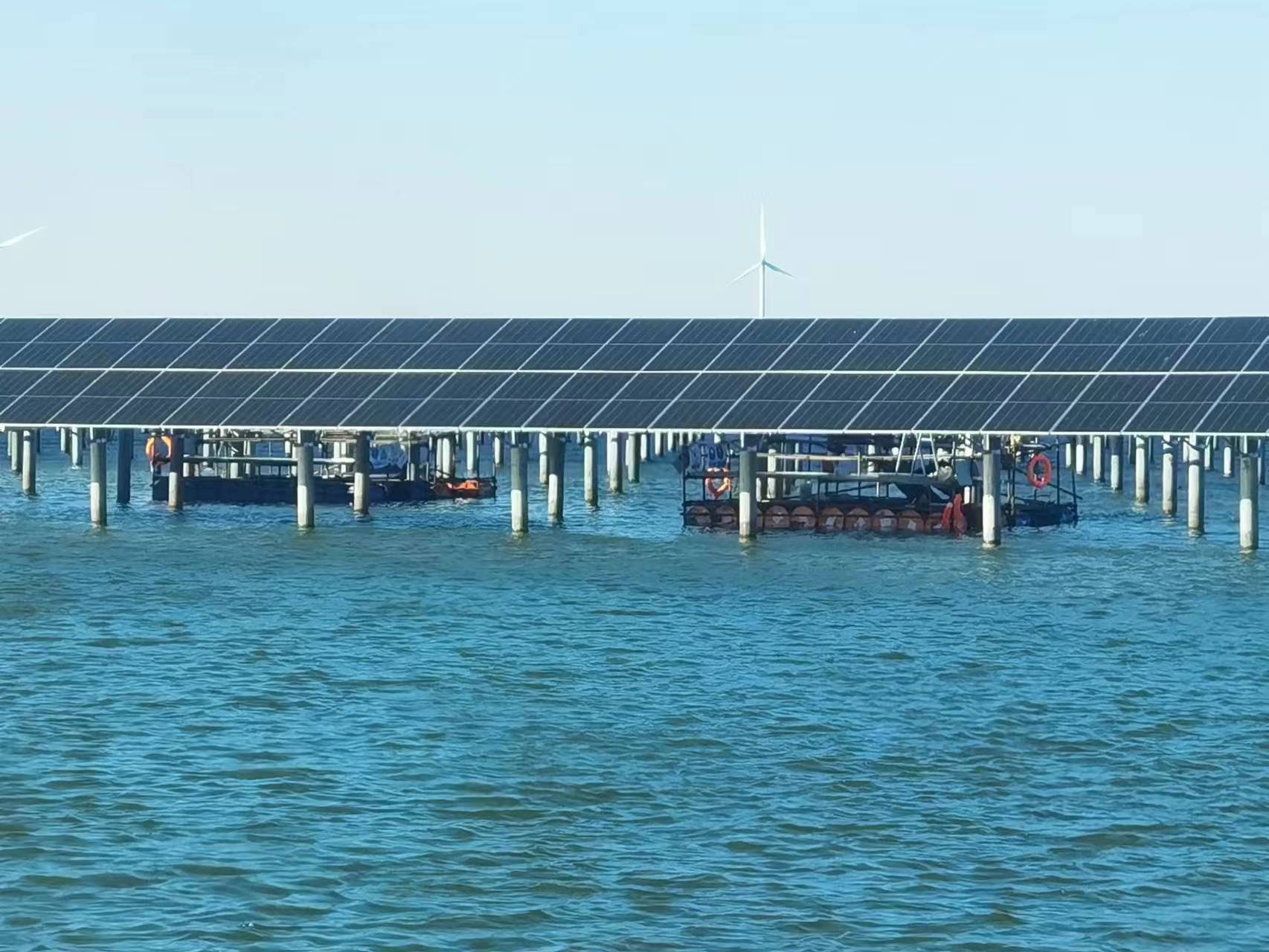
Fixed photovoltaic racking has the advantages of stable technology, relatively low cost and wide application. This way will be installed in accord with a fixed angle to the ground and a fixed direction of the photovoltaic array. When selecting this method of installation. Combined with the actual situation of the project, taking into account the geographic location, the annual distribution of solar radiation, the ratio of direct to diffused radiation and specific site conditions, the inclination angle corresponding to the maximum irradiation of the system for the whole year is the optimal tilt angle for the system. The PV modules are installed according to the best tilt angle.
2、Fixed adjustable photovoltaic mounting
Fixed adjustable photovoltaic racking is based on the project location of the annual solar irradiation, the year is divided into a number of time periods. Such as: monthly or quarterly. According to the monthly or quarterly irradiation data of different tilt angle of the maximum value of the corresponding tilt angle to adjust the installation of PV modules tilt angle to ensure that the monthly or quarterly PV modules received irradiation are the maximum value, to improve the power generation of PV modules. Fixed adjustable PV racking is non-continuous tracking.
3, Horizontal single-axis tracking photovoltaic racking
Horizontal single-axis tracking system is a tracking system that rotates around a 1D axis, so that the lighted surface of the PV module is as vertical as possible to the angle of sunlight input in a 1D direction. That is, to track the sun's path from east to west with a fixed tilt angle, at which time the angle between the rotating axis of the single-axis and the ground is 0°. Single-axis auto-tracker is used to carry traditional flat plate PV modules, which can largely adjust the average daily power generation.
4, fixed, fixed adjustable, horizontal single-axis tracking photovoltaic bracket design analysis
The design service life of the photovoltaic bracket is generally designed for 25 years. The design of the bracket should meet the requirements of strength, stiffness and stability. Fixed photovoltaic bracket only needs to be designed according to the standard code, while the fixed adjustable photovoltaic bracket and horizontal single-axis tracking photovoltaic bracket in the design should also consider the following situations;
(1) with synchronized take-off and landing features, the whole photovoltaic module plane in the regulation process can not have twisted deformation, there can not be a risk of hidden cracks on the battery components hidden trouble.
(2) Continuous adjustment device should have self-locking function to protect the component plane from shaking due to wind vibration, the bracket can not be in a free rotating state, and there can not be any construction safety risks.
(3) The linked device, such as linkage, should have a certain degree of universal adjustability, in order to avoid the adjustment difficulties or even the unadjustable situation due to foundation construction errors, component shifts caused by freezing or high temperatures, ground settlement and other situations.
(4) Manually adjustable fixed adjustable photovoltaic bracket is required to be able to realize the angle adjustment of a single person, to prevent multi-person work is not consistent, the bracket force is not equal, resulting in component damage.
5. Horizontal single-axis tracking photovoltaic bracket application analysis
Compared with fixed PV mounts, in order to make the photovoltaic surface receive as much solar radiation as possible in order to increase the power generation. Fixed adjustable PV mounts with horizontal single axis tracking mounts need to be angle adjusted. As the angle is constantly adjusted, the following problems will appear:
(1) Increased floor space. The increased range of change in the angle of the tracking type racking makes the shadows increase, to ensure the spacing of the arrangement of the rows and columns of the PV square arrays do not shade each other from the front and back in the time period of 9:00~15:00 (local true sun time) every day. The spacing between the PV arrays is increased. Thus increasing the footprint of the power station.
(2) Increased operating costs. Tracking PV racking is prone to failure during use, requiring a large amount of human and material resources for maintenance. With the passing of time, the power device and parts of the tracking type bracket will gradually age and wear, the longer the use of time the higher the maintenance and repair costs required.
(3) The durability and stability of the structure is low. The tracking stent keeps adjusting the angle so that the overall stability of the structure is low and the wind resistance is weak.
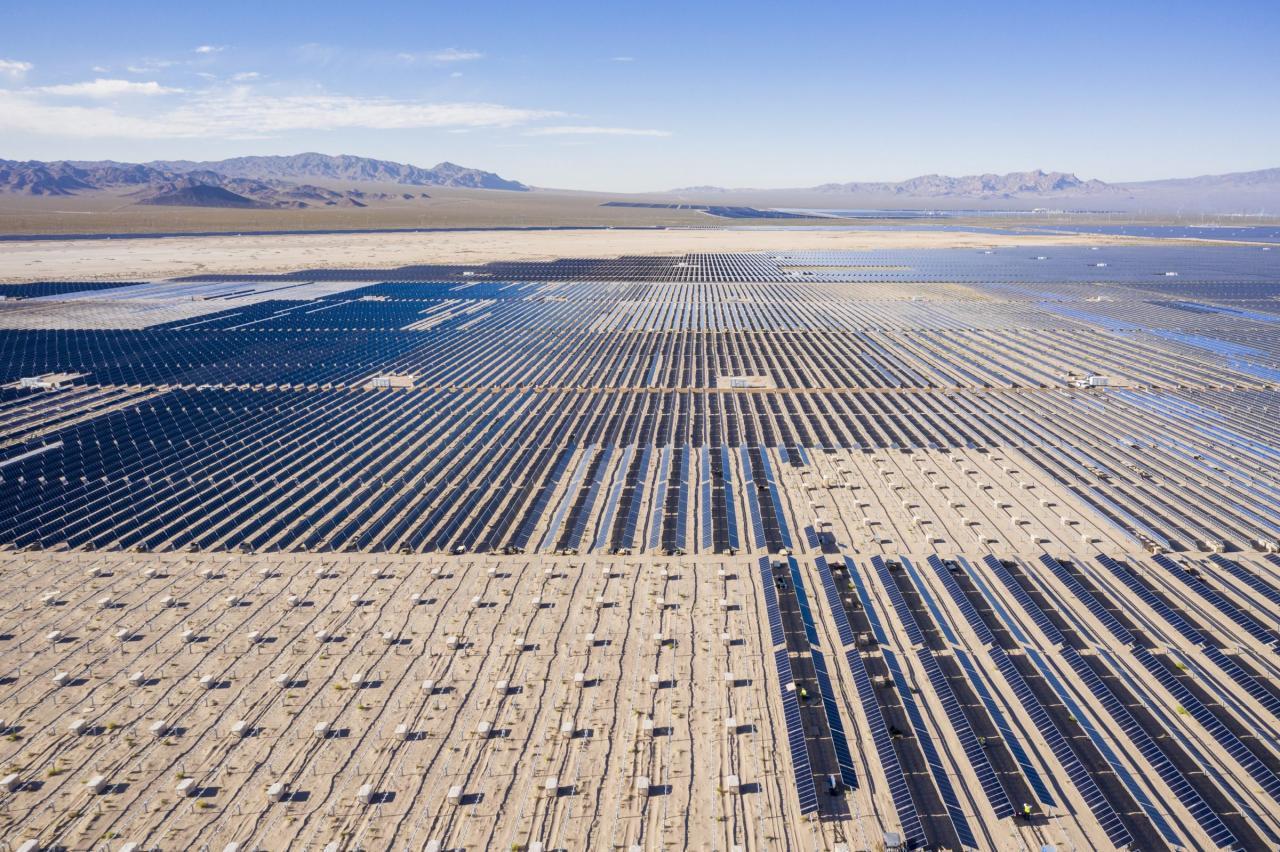
Fixed photovoltaic mounts, fixed adjustable photovoltaic mounts, and horizontal single-axis tracking ford photovoltaic mounts have different advantages and disadvantages. Fixed photovoltaic mounts are simple in structure, stable, durable, low cost, and have a small footprint, but the amount of irradiation received on the tilted surface is relatively low. Fixed adjustable photovoltaic mounts operate basically in the same way as fixed photovoltaic mounts after the angle is adjusted to the target angle. It retains the advantages of simple structure, safety and reliability of fixed mounts. The amount of irradiation, the cost of the bracket is between the fixed PV bracket and the tracking PV bracket. Flat single-axis tracking photovoltaic bracket structure is complex, structural stability and durability is relatively poor, the initial investment is large, maintenance and operation and maintenance costs are high, but the amount of irradiation received on the tilted surface is large.
In engineering practice, it should be combined with the actual situation of the project such as: geographical environment and climatic conditions, etc., to compare the selection. Fully consider the structural form, the cost of the solar bracket, power generation, floor space, the failure rate of the pv bracket and other factors, so as to select the optimal PV support system installation.
Source:
Prev : How to Improve PV Power Efficiency as Rainy Weather ApproachesNext : Worry about the load-bearing / stability / waterproofing problems of metal roof solar bracket? You need to know this!
文章推荐

